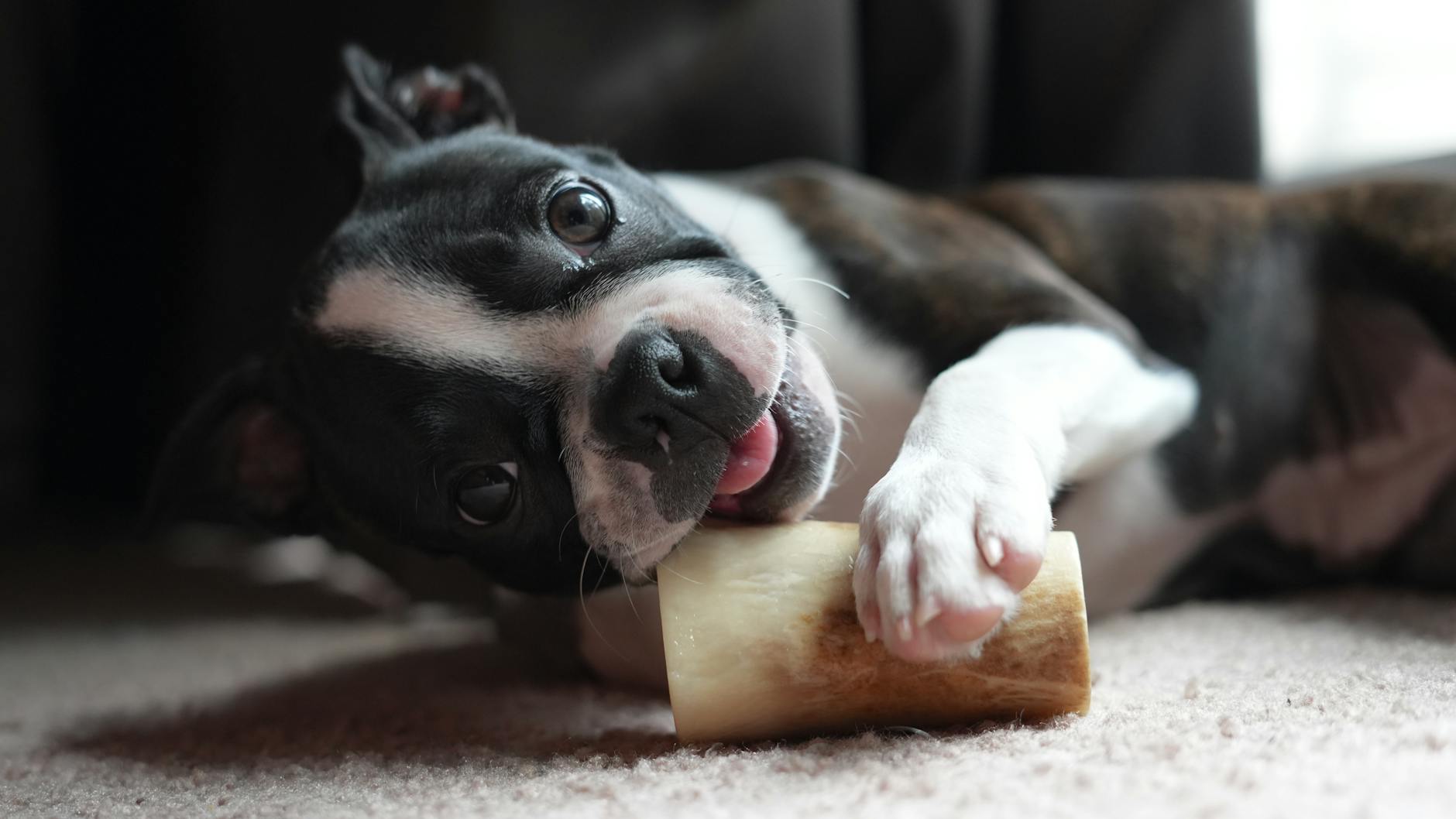
Resource guarding is one of the more concerning behaviors a dog can show, especially when kids are involved. It’s natural for dogs to protect what they value, like food, toys, or even a favorite spot on the couch. But when a dog growls, snaps, or gets tense around children near their “stuff,” it’s time to intervene.
The good news? You can teach your dog to relax around kids, even when prized items are involved. Here’s how to spot the signs, address the behavior, and keep both your dog and your kids safe.
🐾 What Is Resource Guarding?
Resource guarding is when a dog tries to defend or protect something they find valuable.
That “something” could be:
- Food or treats
- Toys or bones
- A bed or favorite resting place
- A person
- Even stolen items like socks or pacifiers
Guarding behavior can include:
- Freezing
- Growling
- Showing teeth
- Snapping or biting
These behaviors become particularly dangerous around small children who don’t understand a dog’s warning signs.

👀 Recognize the Early Signs of Resource Guarding
Reading dog body language (and teaching your kids what to look for) is a great way to prevent issues.
These are red flags that most dog’s show before they escalate to a bite.
- Stiff body posture
- Hard stare or side-eye (“whale eye”)
- Ears pinned back or tail tucked
- Blocking access to an item (grabbing or standing over food or toy)
Even if you have taught your kids to read your dog’s body language, you still can’t count on them to do so alone. Even dog-savvy kids miss the first subtle cues that a dog is uncomfortable. As a parent or caregiver, it’s important you are present and know what to look for.

🧠 Why Dogs Resource Guard from Kids
Resource guarding is not about aggression, it’s about fear and control. Dogs may feel:
- Threatened by unpredictable kid behavior (sudden movements, loud sounds).
- Insecure about losing their resource.
- Untrusting due to past experiences, especially if they were punished around food or toys.
Some dogs also see children as equals, which can make them more prone to guard from kids.
✅ How to Stop Resource Guarding—Step by Step
Note: These steps can help with minor resource guarding cases. Seek professional help before trying to solve extreme cases on your own.
1. Manage the Environment to Stop Resource Guarding
Before you dive into training, prevent the problem from happening:
- Feed your dog in a calm, quiet area away from children.
- Pick up toys and chews when not in use.
- Never allow your child to approach a dog while it’s eating, chewing, or resting.
- Teach kids to NEVER take things from the dog.
- Use gates to create separate play spaces for when you cannot completely supervise your dog and child.
This is about your child’s safety, and can prevent a small problem from becoming a major threat.
2. Teach Your Dog to Trade
A reliable “trade” is a powerful way to reduce guarding.
- Start by practicing with low-value items, offering a high-value treat (like chicken or cheese) in exchange.
- Say a cue like “drop it” or “thank you” when the dog releases the item, then reward generously.
- Repeat this often, gradually working up to more valued items once your dog is reliably relaxed.
Watch your dog’s body language. If a dog doesn’t want to give up an item, then don’t take it from them. Trade should teach your dog that when people are around their stuff, they will get something even better.
3. Desensitize and Counter-Condition Around Kids
Once your dog is comfortable trading with you, slowly include your child’s presence from a safe distance.
- Have your child walk by calmly while your dog plays. Supervise and reward your dog with higher value treats as they pass.
- Gradually have your child toss high value treats from a distance while your dog is near a resource. Think shredded chicken or hot dogs.
- Keep sessions short, positive, and stress-free. Always end before your dog has a chance to get stressed.
The goal: Your dog learns that kids near resources is a great thing!
4. Teach Children Respectful Dog Behavior
This is equally important. Children must learn:
- Not to take things from the dog.
- Not to sit on or climb over the dog.
- To leave the dog alone when it’s eating, sleeping, or chewing.
- To “ask the adult” if they want to interact with the dog.
Use age-appropriate language and model safe, gentle interactions.
5. Use Cues to Build Trust
Teach your dog useful commands like:
- “Leave it”
- “Go to your bed”
- “Stay”
These cues give you tools to redirect your dog without confrontation and build mutual trust over time.
🚫 What Not to Do about Resource Guarding
- Do NOT punish your dog for growling or guarding. This often suppresses warning signs and leads to unpredictable bites. Read more about growling from the AKC.
- Don’t let kids take food, bones, or toys away.
- Don’t assume your dog will just get over it. Guarding often worsens without proper intervention.
🐕🦺 When to Call a Professional
If your dog is growling, snapping, or has bitten before, don’t try to fix it alone. Consult a certified dog trainer or behaviorist, ideally one who uses force-free, positive reinforcement methods. Early help can prevent a serious incident.
🧡 Final Thoughts
Dogs and kids can grow up to be the best of friends, but that bond requires boundaries and respect. If your dog is resource guarding, it’s not about dominance or bad behavior, it’s about fear and insecurity. Help your dog through these emotions by teaching them that there is nothing to be afraid of around resources.
With the right training, management, and support, you can help your dog feel safe, and teach your child how to be a kind and respectful companion.
Safety first. Patience always. Progress over perfection.


Leave a Reply