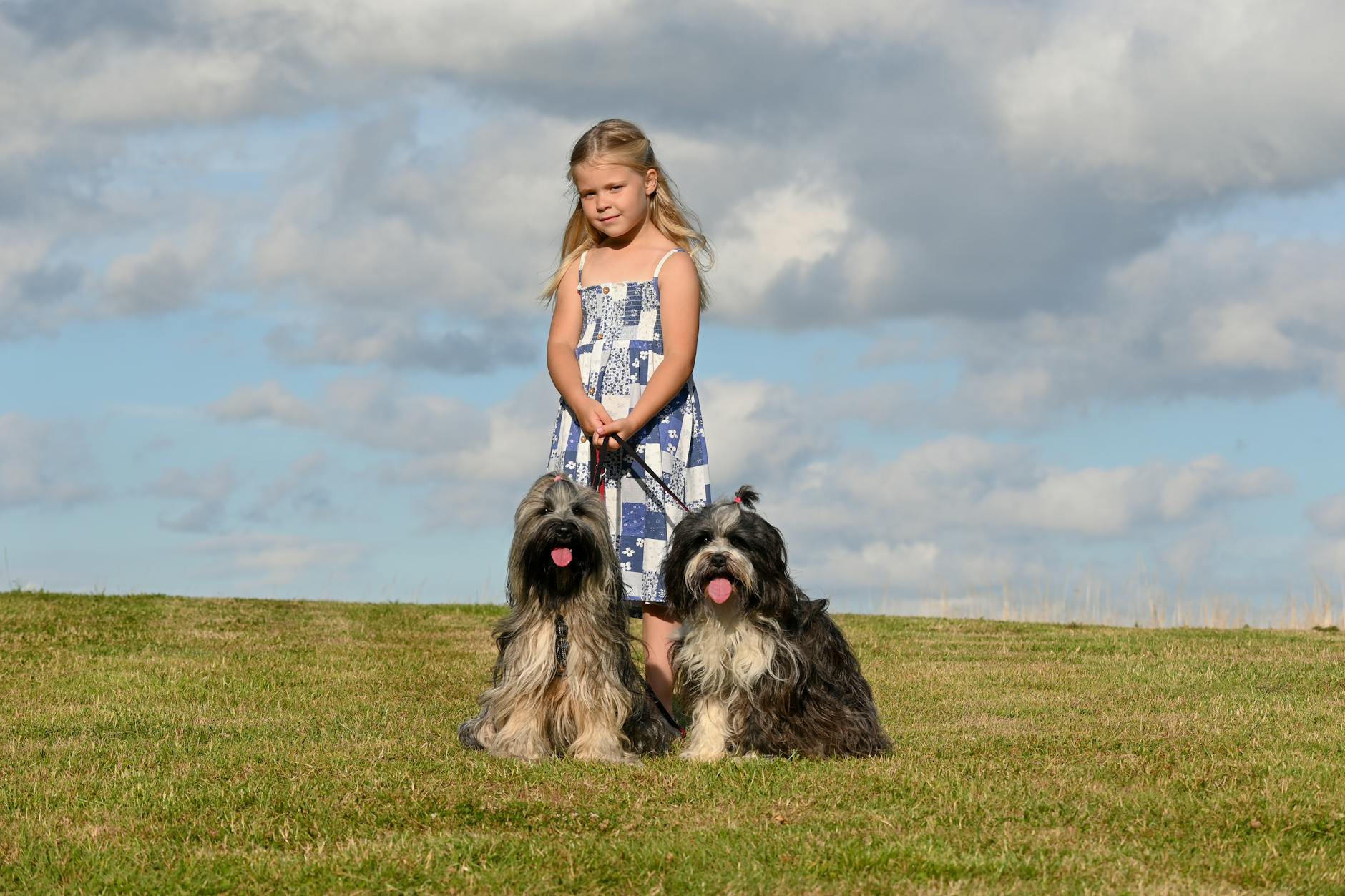
Bringing a new dog into your home is an exciting moment, especially for kids. But it will also be a big adjustment. A thoughtful introduction helps build a safe, positive relationship from the very beginning and sets the tone for years of friendship. Here is how to introduce a new dog to your kids in a way that feels calm, fun, and stress-free.
1. Prepare Your Kids Before the New Dog Arrives
Before your new dog ever steps into the house, talk with your kids about what to expect. Explain that dogs can feel nervous or hyper in new environments, just like people do. Go over basic rules such as not yelling, chasing, or hugging the dog right away.
This is also a good time to teach kids how to read simple dog body language. Teach them that dogs opt out with their paws: if they walk away, they are all done interacting.

2. Create a Calm First Meeting
The first meeting should be calm and controlled. Avoid overwhelming the dog with too many people at once. If you have multiple children, consider introducing them one at a time so the dog can adjust gradually.
- Have the dog meet your kids in a quiet space outside or in a larger room of the home.
- Ask your kids to sit or stand still.
- Let the dog approach them at their own pace and get away if he wants.
You can use treats to help keep things positive. Have kids drop treats on the ground to feed them to the dog (this keeps teeth away from little fingers, and helps kids use their inside voices). For little kids, an adult should help manage the treats.
3. Teach Gentle Interaction
Show your kids how to gently pet the dog, focusing on areas like the chest or side rather than the face or tail. Encourage slow movements and quiet voices. Praise your kids when they follow the rules, and calmly redirect them if they forget.
The dog should also learn to be calm around kids. This can be a process, but you can start practicing sitting for pets, taking treats gently, and safe play right away.
It helps to remind kids that the dog is still learning too. Patience and kindness go a long way in building trust.
4. Set Clear Boundaries for Everyone
Dogs need their own space, especially during the first few weeks. Make sure your kids know not to bother the dog while they are eating, sleeping, or resting in their crate or bed. These boundaries help prevent accidents and teach kids to respect the dog’s needs.
At the same time, supervise all interactions, even if things seem to be going well. Supervision keeps both kids and dogs safe.
5. Involve Kids in Caring for the New Dog
Giving kids age-appropriate responsibilities helps them bond with the new dog. It can also give them a sense of pride and accomplishment. Simple tasks like:
- Filling the water bowl.
- Helping with brushing.
- Tossing a toy during playtime.
- Walking the dog (on or off leash) in a fenced in yard.
Just be sure that adults handle tasks like feeding, walking, and training until the dog is settled and kids are ready. Accidents between kids and dogs are likely to occur around mealtimes, walks, and playtime.

6. Be Patient as the Relationship Grows
Strong bonds take time. Some dogs warm up quickly, while others need weeks or even months to feel fully comfortable. Celebrate small wins, such as calm playtime or gentle cuddles, and remember that progress is not always linear.
With patience, consistency, and lots of positive experiences, your kids and your new dog can grow into best friends.
7. Set up for Safe Play (With and Without the New Dog
Your dog and your kids are going to need a break from each other at times. Make sure both your dog and your children are able to get away from each other. Set up a space where the dog can’t steal toys or pester your child.
Teach your children to respect the dog’s space and toys as well.
Determine what games and activities are safe for your dog and child to play together. Some dogs may become too rough when playing chase or wrestling games, and some may accidentally bite children when playing tug or fetch. Learn what is best for your dog and family.
Final Thoughts
Introducing a new dog to your kids is about setting everyone up for success. By preparing ahead of time, supervising interactions, and teaching empathy and respect, you create a safe environment where both kids and dogs can thrive. The effort you put in during the early days will pay off in years of love, loyalty, and unforgettable memories.
Leave a Reply