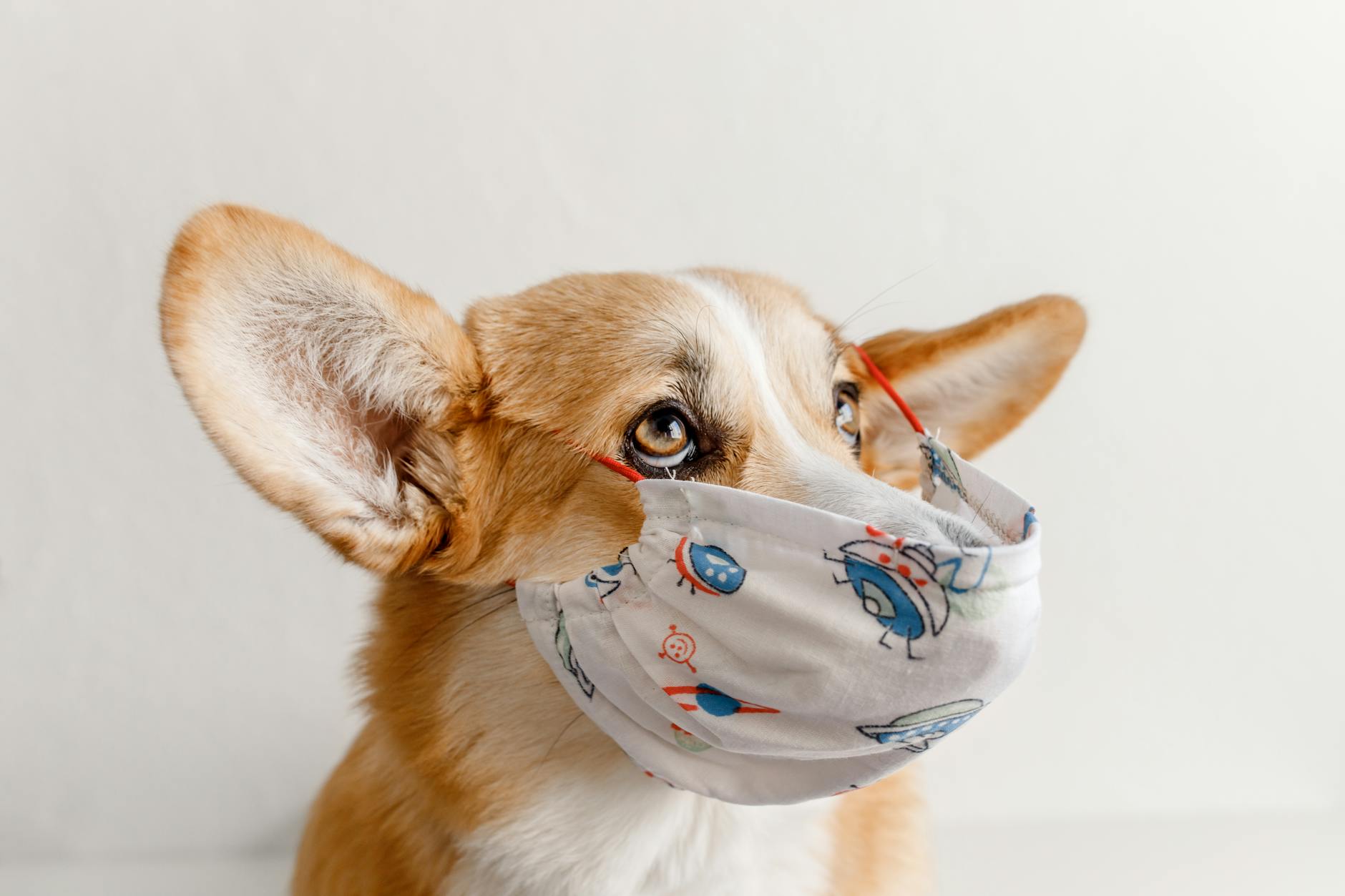
For all the concerned parents out there, let me be clear: There are relatively few major risks when it comes to germs spreading between your dog and new baby. Even so, there are some real hygiene concerns that parents should be aware of.
Babies have developing immune systems, and dogs, while lovable, can carry germs, parasites, and allergens that pose risks. Here’s a deeper look at the key hygiene concerns and what you can do to protect both your dog and your baby:
😷 Hygiene Concerns in Special Cases
Growing up with a dog typically strengthens a baby’s immune system, but for immunocompromised babies, extreme care is required. In these special cases, parents should take extreme precautions since even minor germs can cause serious illness. Completely separating the dog and baby may be an appropriate step.
This is because bacteria, viruses, and parasites that infect humans may be present on dog fur, mouths, paws, or bedding. Any close contact between pets and immunocompromised infants can increase the risk of contamination.
Here’s what parents can do to reduce the risks to an immunocompromised baby:
- Regular handwashing after handling the dog
- Frequent cleaning of toys, bedding, and feeding items
- Use baby gates to keep the dog out of the baby’s areas
- Bathe or wipe the dog with dog-safe disinfectant wipes before letting her near the baby
🦠 1. Germs from your Dog’s Mouth
Dogs can carry harmful germs that infect humans. Bacteria like salmonella is passed through contact with dog saliva, particularly when dogs eat raw meat or eggs.
Think of all the things your dog noses through, eats, or licks. Germs from contaminated areas and animal waste can come to live in your dog’s mouth.
You can discourage your dog from licking, especially around the baby’s mouth and hands. Just distract them by calling their name or getting out a toy any time they lick.
Read more about germs transmitted from pets here!

🐾 2. Germs from Petting the Dog
Babies typically don’t get sick by petting the dog. However, one thing to watch out for is Ringworm, a fungal infection that can be spread cross-species. If your dog has ringworm, keep them and their bedding away from the baby, and wash your hands after petting the dog.
Just like humans, dogs can carry germs from what they touch (or what touches them). This means that when an infected person pets your dog, their germs can get onto your dog’s fur.
This is a very unlikely means of transmission for most illnesses, but it is something to keep in mind. If your dog interacts with sick people or spends time in a busy public space, clean their fur and paws before letting them interact with your baby. And, if your baby interacts with strange dogs, wash their hands (or use wipes).
🪳 3. Parasites: Fleas, Ticks, Worms
Dogs can carry parasites that easily spread to humans, especially babies who crawl and touch everything. Common parasites include:
- Hookworms or roundworms from contaminated soil or feces.
- Fleas or ticks brought in from outdoors.
- Giardia, a microscopic parasite passed through infected dog stool.
Most parasite issues can be prevented by keeping your dog on a veterinarian-approved parasite prevention plan. If you haven’t already, get your dog screened for common parasites and on prevention.
Other things you can do include picking up dog poop immediately and keeping your baby away from your dog’s toilet area.
🤧 4. Allergens and Dander
Even if your baby isn’t allergic to dogs, dogs often bring a variety of allergens with them on their fur. Dog dander and environmental allergens can irritate sensitive skin or trigger allergy symptoms.
Watch your child for red, itchy eyes, sneezing, congestion, or eczema flare-ups.
What to do:
- Vacuum regularly with a HEPA filter.
- Get a HEPA air purifier for your baby’s room.
- Bathe and groom your dog routinely.
- Use allergen-reducing wipes on your dog between baths.

🍽️ 5. Feeding Zone Contamination
Dogs are messy eaters. Water bowls and food areas can become breeding grounds for mold, bacteria, and pests. This is especially problematic if your baby is crawling near them or sneaking kibble (yes, it happens!). What you can do:
- Clean bowls daily.
- Keep feeding stations in low-traffic areas.
- Supervise your baby near pet feeding zones and block access when possible.
If you feed your dog raw food, follow the guidelines for safe storage and feeding. Make sure to separate your dog and child for the appropriate amount of time after meals.
💩 6. Bathroom Hazards
Let’s be blunt: poop is a problem. It harbors all manner of parasites, bacteria, and sickness. It can also be a problem if your dog eats, licks, rolls in, or even smells it, as germs can then be transferred to your dog.
What to do:
- Keep your child’s play area in the yard poop-free.
- Keep your dog away from the cat’s litter box.
- Dispose of dog waste promptly and hygienically in a child-proof trash can.
- If your dog has accidents indoors, clean immediately with an enzyme cleaner.
🧼 7. Don’t Forget the Dog’s Stuff
Beds, leashes, collars, and stuffed toys can all harbor bacteria or allergens, especially if the dog has been licking or chewing them.
Additionally, dogs love to steal baby items like stuffed toys or blankets, which can transfer bacteria and parasites. These can be hard to disinfect completely.
What to do:
- Wash dog bedding and toys weekly.
- Wipe down collars and harnesses after outdoor adventures.
- Immediately clean any baby item that ends up in the dog’s mouth.
- Store pacifiers, bottles, and toys up high and out of reach.
Hygiene Is About Management, Not Perfection
You don’t have to choose between your dog and new baby, they can safely coexist. But understanding the hygiene risks and creating simple routines (like handwashing, cleaning, and separation of spaces) helps you protect your baby without sacrificing the joy of growing up with a furry best friend.
Reach out today to get help preparing your dog to be the best four-pawed big sibling!


Leave a Reply