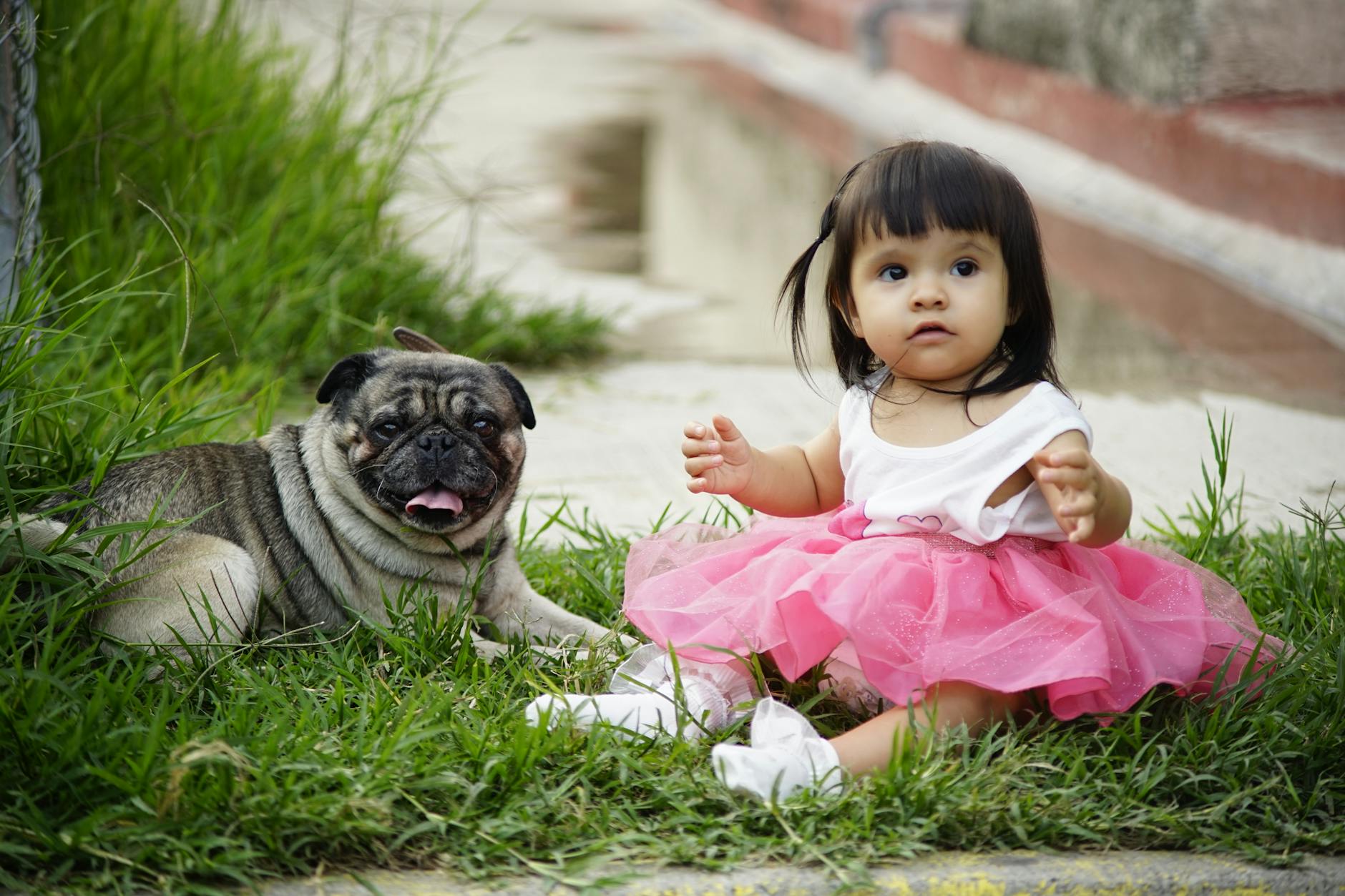
A Parent’s Guide to Safe and Happy Bonds Between Toddlers and Dogs
Teaching children and toddlers to respect the dog (and the dog’s space, food, and toys) is not easy! Toddlers and dogs can be the best of friends—sticky fingers sharing snacks, giggles during tail wags, and cozy cuddles on the couch.
But for things to stay cute, there’s an important lesson every toddler needs to learn: how to give dogs space.
This can be a major safety concern in homes with dogs and toddlers. Dogs, like people, need personal boundaries. And toddlers? Well… they’re not exactly known for their understanding of boundaries.
When toddlers fail to respect the dog’s space, dog bites can occur. That’s where you, the parent, come in.
Here’s how to start teaching your little one to respect a dog’s space—building safety, trust, and lifelong memories in the process.
1. Use Simple, Clear Language With Your Toddler

Toddlers understand more than we give them credit for—but they need things broken down.
Try saying:
- “Let’s give the dog some space.”
- “We don’t touch when the dog is eating.”
- “That’s the dog’s bed—we look, but we don’t touch.”
- “Dogs don’t like hugs like people do. Let’s pet gently instead.”
Say it consistently, every time. Toddlers learn through repetition—and your calm, steady voice goes a long way.
2. Respecting the Dog Starts with the “Ask First” Rule
It is never too early to start teaching your kids to ask before petting the dog. This is huge for preventing dog bites, not just from your dog, but from any dog your kid meets.
Go beyond asking the dog owner’s permission, teach your toddler to ask the dog before petting. Giving your dog the chance to opt out of being pet significantly reduces the chances of a dog bite!
Give your dog the chance to “opt out” of toddler time:
- Teach your toddler to clap or pat his leg and call the dog over.
- If your dog stays put or walks away, he doesn’t want to be pet. Your toddler can tell him a story, blow a kiss, or do something else.
- If your dog does come over to your kiddo, the dog wants pets.
Remember, your dog can decide that he doesn’t want any more pets at any time. Don’t let your toddler follow your dog as he walks away (this is when bites often happen).
You can model it too! Say out loud, “Can I pet you, buddy?” before giving your dog a stroke. It might feel silly, but toddlers learn best by watching you.
3. Teach your Toddler about Dog-Only Zones
Designate safe spaces where dogs can retreat when they’ve had enough—like a crate, bed, or a corner of the room. Teach your toddler: “When doggy is in her bed, we let her rest.”
Use gates or playpens to keep boundaries clear. Dogs need a place where they know they won’t be bothered, and kids need clarity about what’s expected.
Places that might cause problems with dogs and toddlers:
- Sleeping spaces
- Dog bowls or feeding area
- Dog toys or toy bins
- Windows/doorways for dogs who sit and look outside

4. Introduce your Toddler to Gentle Pets Through Play
Turn petting into a game! Use a stuffed animal to show “gentle hands” vs. “rough hands.” Let your toddler practice stroking, brushing, and talking softly to the toy.
Gentle hands can be hard to understand, because adults aren’t always consistent in how they use it. I like to use other, more concrete phrases to help kids understand “gentle:”
- Tell your child exactly where to pet the dog (their back, shoulder, and side).
- Tell your child exactly what to pet with – one hand, a finger, or the back of their hand.
- Use short, specific, positive instructions.
- Check out the graphic below for ideas of phrases that help toddlers understand gentle petting!
Then, when it’s time to interact with the real dog, remind them: “Gentle hands like we practiced!”


View the whole post on Instagram!
5. Avoid Hugs and Face-to-Face Contact
Most toddlers love to squeeze and snuggle—but many dogs feel trapped or scared when hugged. Teach your child other ways to show love, like:
- Petting the dog’s back or side
- Throwing a toy
- Sitting nearby instead of on top of them
And always discourage face-to-face interactions—no kisses, leaning on, or staring contests.
6. Supervise Every Interaction Between Dogs and Toddlers
Until your child is old enough to understand boundaries completely (we’re talking years, not months), never leave them alone with a dog—no matter how gentle the dog is. Supervision keeps everyone safe and gives you a chance to step in, redirect, and reinforce positive behavior.
Use gates to keep toddlers and dogs out of each other’s spaces when you can’t supervise.
7. Praise and Model Respect for Dogs
When your toddler gives the dog space, praise them! “Great job giving Max some room while he’s eating!” Positive reinforcement works for kids too.
And the more they see you respecting the dog’s space, the more they’ll mirror it. Toddlers are mini copy machines—use that to your advantage.
Final Thoughts
Teaching toddlers to respect the dog and give them space isn’t about creating distance—it’s about building mutual respect. With time, consistency, and patient reminders, your child will grow into a gentle, respectful animal friend—and your dog will feel safe and loved.
In the end, that’s what we all want: a house filled with wagging tails, happy toddlers, and peaceful moments (even if they’re brief!).
Need help getting that for your home? Reach out today!
Leave a Reply