Are your treats setting you up for dog training frustration?
If you feel like your dog is unmotivated, lazy, or distracted, you’ve come to the right place, and there may be a quick fix that can get you and your dog back to training! Understanding how to get the most out of your dog treats can transform your training and your dog’s behavior.
Not all dog treats are created equal. Not all dogs share the same passion for eating treats. Even so, using treats and positive reinforcement-based training is the best and fastest way to teach any dog something new.
This post speaks to which treats work best for training, as well as some hacks for making your treats irresistible.

What Treats Work Best for Dog Training?
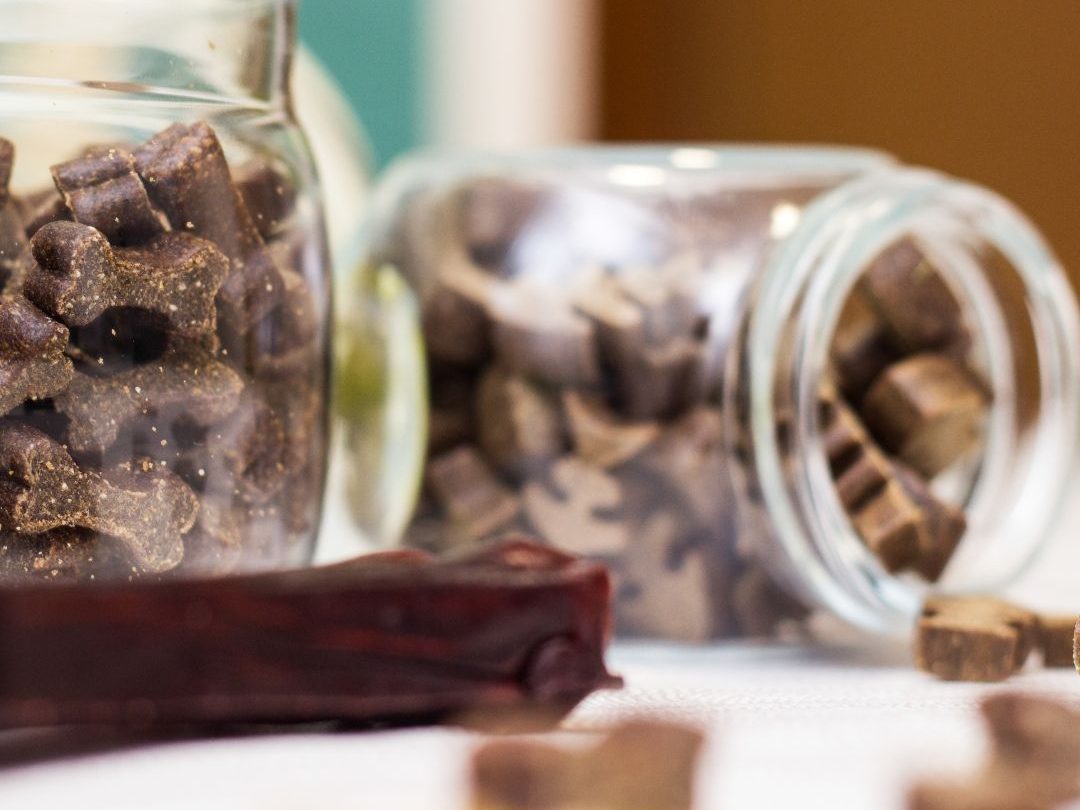
With all the dog treats that are available in stores and online, it can be difficult to choose. The ideal dog treat is small, breakable, and low in calories. It is also a good idea to look for treats with fewer ingredients and real meat, fruit, and vegetables in them. When you train using treats, you will need to use a lot of them to get the job done, and you shouldn’t have to worry about your dog gaining weight.
Your dog should be able to eat a treat in about a second without a significant risk of choking. For most dogs, a treat the size of half a pea is enough.
Lickable treats like yogurt and peanut butter are great for training. One lick is enough for a lickable treat to be reinforcing to your dog.
The Dog Treat Hierarchy

When it comes to training using treats, the most important consideration you need to make is your dog’s preference. You can use the fanciest, best dog treats in the world, but if your pup doesn’t like them, training will be difficult if not impossible.
Fortunately, dog’s preferences are fairly predictable. This dog treat hierarchy holds true for most dogs, and you can easily adapt it to better fit your own dog’s preferences.
Your dog’s regular food – Most dogs will work for their regular food, as long as they are only doing easy tasks in a familiar place.
Dry, crunchy treats – These are lower value treats. Most dogs like crunchy treats, but aren’t interested in eating them when they are distracted or interested in something else.
Soft, chewy treats – Soft treats are usually more appealing to dogs than crunchy ones. Dogs typically maintain their interested in training longer for chewy treats.
Dried or freeze dried meat – These are typically high value treats. Most dogs will work for dried or freeze dried meat even when there are distractions present.
Cheese and peanut butter – These are very high value treats for most dogs. The rule with dog treats tends to be the smellier, the better, and it’s hard to beat cheese or peanut butter.
Meat and fish – This is most attractive kind of treat you can give your dog. Using real meat in your training can help you maintain your dog’s focus even when things get crazy.
Your dog’s preferences may not fit exactly into this hierarchy, but it is a good place to start. As you figure out what works best for your dog, you can make your own hierarchy. It doesn’t need to be exact, just take some guesses about what your dog likes the best.
Using the Dog Treat Hierarchy in Real Life
Now that you know which treats your dog likes, you can use their preferences to determine your treats. It takes a lot of treats to train a good dog, so the first thing to do is make sure that you have several different options. Just like people, dogs don’t like to only have the same thing over and over.
What NOT to do:
What you don’t want to do is always only use your dog’s favorite treats. This will make high value dog treats less valuable. New treats or treats your dog hasn’t seen in a while are always better than old treats.
You also don’t need to eliminate less valuable treats entirely. Instead, you want to match your training challenge to your treats. Easy training = less exciting treats while harder training = higher value treats.
Finally, don’t let your dog determine which treat he gets: if your dog doesn’t eat the treat you offer, move on and ask for something else before offering a better treat. Your dog will learn to turn up his nose to treats if he thinks he can get a higher value treat instead.

Matching the Challenge to the Treats:
Think of treats like money, a piece of dog food is 50¢, dry treats are $5, chewy treats are $10, and a juicy piece of hot dog is $100. Your dog should be paid a fair wage for the job that he does. Harder jobs should get bigger reinforcers.
This means two things for a dog trainer. First, don’t expect your dog to do a $100 job for 50¢. That will result in a frustrated and unmotivated dog. Second, don’t make a habit of paying your dog $100 for a 50¢ job. This lowers the value of the treats you use.
Jobs that are more challenging for your dog are either new skills or old skills in new locations, around bigger distractions, or for longer durations. Remember, your dog gets to determine the level of the challenge and the value of your treats. If it isn’t worth it to your dog, then you need to use more valuable treats.
If you are at home training, you may only need regular food or dry cookies to motivate your dog. When you are in your yard or neighborhood, you may need chewy or freeze-dried treats. If you are at a dog training class surrounded by people, dogs, and smells, you will want to have some chicken or hot dog.
Dog Treat Trail Mix
It can be a lot to try and match the challenge to the treat, so to make it easier on yourself, you can make a doggy trail mix. Take a handful of treats from different levels of the dog treat hierarchy put them all in your treat pouch or bowl.

When you mix different kinds of treats together, you increase the value of all the treats. Think of it as a sort of slot machine – every time your dog does something to earn a treat is like pulling the lever. In your dog’s mind, every time he earns a treat, he’ll wonder if it’s his favorite one. This increases his motivation, curiosity and interest in training.
Treat trail mix sustains a dog’s interest for much longer than even the higher value treats because of the mystery.
Hopefully this helps you understand why your dog may be acting unmotivated, lazy, or overly distracted when you want to train. Your dog does not want to frustrate you, but he has no interest in doing a job he’s not fairly paid to do.
To learn more about dog training, head to my tips and resources page, or check out my instagram!
To learn how you and your scallywag can get started today, contact me or look at my training page!
Leave a Reply